![5 Reasons You’re Not Ranking on Google Maps [Updated 2026]](https://rankinsearchnow.com/wp-content/uploads/2026/01/5-Reasons-Youre-Not-Ranking-on-Google-Maps-Updated-2026.jpeg)
Unveiling the Complex Dynamics of Google Maps SEO and Visibility Strategies
In the highly competitive realm of local search, achieving superior Google visibility requires an intricate understanding of search engine algorithms, user intent, and the evolving landscape of Maps SEO. As digital ecosystems become more sophisticated, enterprises must leverage advanced tactics that go beyond traditional keyword optimization to secure a prominent position in Google Maps rankings.
Deciphering the Semantic Layers Driving Maps Search Algorithms
Google’s search algorithms utilize semantic SEO principles to interpret user queries contextually, especially within local search intents. By integrating structured data, employing precise NAP (Name, Address, Phone) consistency, and optimizing Google My Business (GMB) profiles, businesses can enhance their relevance signals. Sophisticated schema markup implementation plays a pivotal role here, aligning with Google’s Knowledge Graph and enhancing map pack prominence.
Why Are Your Maps Rankings Stagnant Despite Conventional SEO Efforts?
This question often plagues seasoned SEOs and local marketers. Stagnation in Maps rankings may stem from algorithmic updates, increased local competition, or inadequate attribution of local relevance signals. To combat this, a deep-dive analysis into citations, localized content, and user engagement metrics is vital. Utilizing tools like Google’s Business Profile Insights provides actionable data to refine strategies further.
Harnessing the Power of User Engagement and Review Signals
Recent studies emphasize the weight of user-generated content and online reputation management in Maps SEO. Authentic reviews, high engagement rates, and positive sentiment contribute significantly to local algorithm rankings. Encourage satisfied customers to share detailed reviews, respond promptly to reviews, and maintain a high-quality digital footprint to enhance trustworthiness and authoritative signals.
Optimizing Google Maps Listings for Advanced Search Queries
Long-tail keywords and question-based queries dominate advanced local searches. Incorporating these naturally into your Google My Business descriptions, service listings, and posts aligns your profile with sophisticated user intents. Regularly updating your Google Posts with relevant multimedia content also signals activity, which is favored by Google’s ranking factors.
How Can Small Businesses Compete Effectively Against Large Corporations in Maps SEO?
Small businesses must exploit niche-specific strategies, leverage hyper-localized content, and build community-driven citations to overcome larger competitors. Authentic engagement and strategic local partnerships can elevate their visibility significantly, making them more relevant in map-based search results. For comprehensive tactics, consult this resource.
For those aiming to refine their Maps SEO in 2024, continuous adaptation to algorithm changes and audience behaviors remains crucial. Explore more advanced strategies and case studies to elevate your Google presence and dominate local search results effectively.
Harnessing AI and Machine Learning for Hyper-Localized Optimization
Recent advancements reveal that leveraging artificial intelligence (AI) and machine learning models can revolutionize Maps SEO strategies. Tools powered by AI analyze vast amounts of local search data to identify emerging trends, user preferences, and high-impact keywords. Integrating AI-driven content creation and review management can also enhance relevance signals and user engagement, vital for climbing local rankings. For example, AI chatbots can engage with customers directly through Google Posts, offering timely updates and personalized interactions that resonate with local audiences.
Balancing Personalization with Consistency to Build Authority
Google’s algorithms increasingly favor personalized search results, especially in local contexts. Crafting a balance between localized, personalized content and maintaining consistent NAP and brand signals is essential. Enhanced schema markup for personalizations—like service areas customized by neighborhood—can improve map pack visibility while reinforcing your authority in targeted locales. This dual focus ensures your business remains both locally relevant and trustworthy, a critical factor in competitive markets. For an in-depth look at how personalization influences Maps SEO, refer to this comprehensive guide.
Why Do Some Maps Listings Outperform Despite Similar Optimization Efforts?
This question uncovers the complex nuances behind local search rankings. Differences often hinge on multifaceted signals such as behavioral metrics, review velocity, and engagement levels. Certain businesses outperform competitors through strategic community involvement, exclusive partnerships, or innovative use of local content. Recognizing these subtle variables and implementing tailored strategies can yield substantial gains. For example, hosting local events or collaborating with neighborhood influencers can significantly boost local relevance and user engagement, translating into higher rankings.
Are There Hidden Signals That Can Surpass Traditional SEO Tactics?
Absolutely. Emerging signals like voice search patterns, visual content interaction, and social media cross-engagement are gaining importance. These elements, when integrated thoughtfully into a Maps SEO strategy, can offer a competitive edge. For instance, optimizing for voice-driven local queries with conversational keywords aligns with the rise of smart speakers and mobile voice assistants. To explore more about untapped ranking factors, check this expert resource.
Building on these disruptors, consider employing advanced analytics to monitor behavioral shifts and refine tactics accordingly. Staying ahead requires both innovative thinking and adopting cutting-edge tools that interpret seismic changes in user behavior and search engine algorithms. Would you like personalized insights into implementing AI-driven local SEO solutions? Share your challenges or questions below to start the conversation!
Harnessing Geospatial Analytics to Outpace Local Competition
In the quest for supreme Google Maps rankings, integrating geospatial analytics offers a distinctive edge. By analyzing spatial data patterns, distance metrics, and demographic clusters, businesses can fine-tune their location-specific strategies. Tools like heatmaps and location intelligence platforms reveal untapped zones of opportunity, enabling targeted promotions and optimized service areas. This granular approach transforms generic optimization into a precision-driven campaign, elevating your relevance in densely contested local markets.
Can Advanced Schema Markup Techniques Elevate Your Local Presence?
Absolutely. Beyond standard NAP data, implementing comprehensive schema markup—such as LocalBusiness, Service, and Product schemas—provides search engines with nuanced context about your offerings. For instance, embedding schema for special hours, amenities, or menu items imbues your listing with rich snippets that stand out visually and increase click-through rates. According to Moz’s advanced SEO schema guide, such detailed markup aligns seamlessly with Google’s evolving algorithmic understanding, thereby enriching your map pack prominence.
Why Personalization Transform Your Map SEO Strategy?
Google’s shift towards hyper-personalized search results underpins the importance of customizing your local SEO efforts. Tailoring content and service descriptions to specific neighborhoods, customer personas, or local events enhances relevance signals. Dynamic schema configurations enable your listings to adapt based on user context—delivering personalized experiences that foster trust and drive engagement. Embracing this adaptive approach ensures your business maintains a competitive edge in fluctuating local landscapes.

Illustration of geospatial data visualization showcasing optimized service zones and demographic clusters
Leveraging Local Data Synergy for Unmatched Visibility
Integrating diverse local data sources—such as demographic analytics, consumer behavior patterns, and competitive landscape insights—permits a comprehensive approach to Google Maps SEO. This holistic view enables businesses to identify high-potential micro-regions and tailor localized content effectively. Tools like advanced GIS platforms facilitate spatial data fusion, unlocking nuanced market segmentation strategies that significantly elevate local relevance and rankings.
How Do Voice Search Trends Reshape Hyper-Local Optimization?
With the ascendance of voice-controlled devices and mobile assistants, optimizing for voice queries has become pivotal. Long-tail, conversational keywords that mirror natural speech patterns now command higher prominence in Maps SEO. Incorporating question-centric schema markup enhances content discoverability through voice snippets, offering a competitive advantage in capturing this rapidly growing search segment. As per the latest industry whitepapers from the Voice Search Insights Consortium, businesses optimizing for voice see a decisive uplift in local engagement metrics.
In what ways can AI enhance local content generation and curation?
Artificial intelligence tools can analyze vast local search and review data to craft hyper-relevant content initiatives. Automated sentiment analysis determines the themes resonating within community feedback, guiding content creation that aligns with prevailing interests. Moreover, AI-driven review aggregation and response systems streamline reputation management, amplifying positive signals that influence map pack rankings. Implementing these AI functionalities enables businesses to sustain a dynamic, context-aware online presence conducive to high-ranking positions.
Authenticity Versus Optimization: Crafting Genuine Engagements
While optimization tactics are essential, Google increasingly prioritizes authentic interactions and community trust signals. Initiatives such as sponsoring local events, supporting neighborhood projects, or collaborating with regional influencers build perceived authority beyond mere keywords. Such genuine engagement manifests in increased review velocity and diversity, bolstering local trustworthiness and elevating visibility in Google Maps. Harnessing community-driven content establishes an indelible impression on both users and the algorithm.
Can Real-Time Data Fuel Your Competitive Edge?
Real-time analytics provide immediate insights into consumer movements, service disruptions, or competitor activity. Dynamic adjustments based on real-time data—like adjusting service areas during local events or adjusting marketing efforts for emergent trends—translate into tangible ranking benefits. Platforms integrating IoT and location-aware sensors enable businesses to respond swiftly, ensuring their Google Maps listings reflect the most current operational realities and user preferences. This agility distinguishes proactive enterprises in saturated local markets.
Implementing Micro-Moments for Greater Engagement Face-Off
Micro-moments—those intent-rich instances when consumers turn to their devices for quick answers—are critical junctures for local businesses. By understanding and optimizing for these brief yet decisive interactions, brands can position themselves as immediate solutions. Embedding optimized, contextually relevant content within Google My Business profiles and ensuring rapid response mechanisms enables capture of these fleeting opportunities, dramatically impacting local search prominence.
Why Elevate Your Schema Strategy with Dynamic Structured Data?
Traditional schema markup offers static advantages, but dynamic, event-based, or neighborhood-specific schemas can dramatically improve relevance. For example, updating schema to reflect seasonal services, upcoming local events, or weather conditions makes your listing more responsive to user intent nuances. According to schema.org’s latest extensions, adopting adaptive structured data can exponentially improve your chances of featuring prominently in relevant local search results, especially in competitive markets.
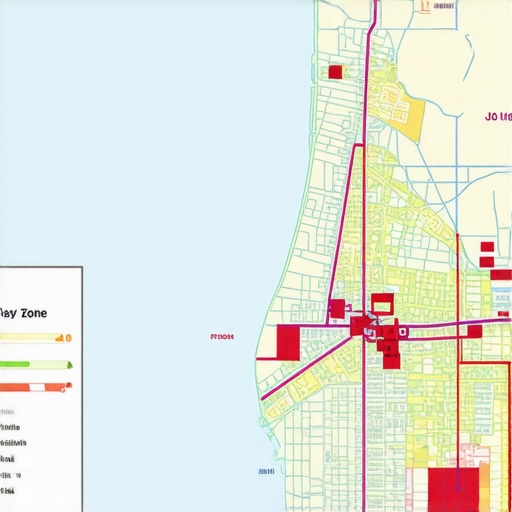
Illustration showing layered local data points influencing Google Maps rankings
In a landscape where local search dominance is increasingly critical, staying ahead in Google Maps SEO demands more than basic tactics; it requires a strategic mindset rooted in innovation and authoritative knowledge. As the digital ecosystem evolves, integrating cutting-edge insights becomes essential for businesses aiming to elevate their visibility and rankings effectively.
Innovate with Real-Time Geospatial Data
Harnessing granular geospatial analytics can unearth hidden opportunities within your service areas. By leveraging heatmaps and location intelligence tools, you can identify underserved micro-regions, enabling hyper-targeted campaigns that resonate deeply with local audiences. This continuous data-driven adaptation is vital for maintaining momentum in competitive markets.
Prioritize Content Personalization Through Schema Dynamics
Dynamic schema markup, aligned with evolving user behaviors and local contexts, empowers your listings to deliver personalized experiences. Implementing neighborhood-specific service schemas or event-related data enhances relevance, fostering trust and engagement—cornerstones for sustained high rankings in Maps SEO.
Achieve Authority with Community-Driven Strategies
Building genuine relationships through local sponsorships, community events, and collaborations fosters authentic trust signals. These initiatives translate into higher review velocities, diverse engagement, and ultimately, superior algorithmic favorability. Remember, Google’s algorithms prize authenticity as much as optimization.
Integrate AI for Intelligent Optimization
Leveraging AI tools for sentiment analysis, review management, and content creation can accelerate your local SEO efforts, making them more responsive and relevant. Automated insights allow for swift strategic adjustments, ensuring your business remains at the forefront of local search dynamics in 2024.
Embrace Voice Search as a Game Changer
The rise of voice assistants demands conversational keyword strategies and schema enhancements tailored for voice queries. By optimizing for natural language questions and embedding these into your GMB profiles, you position your business to dominate emerging voice-driven local searches.
Curated Resources from Industry Experts
- Google’s Official Business Blog – Offers firsthand updates on algorithm changes and feature rollouts directly from Google’s engineering team, underpinning your strategy with authoritative insights.
- Schema.org Documentation – Provides comprehensive guidelines on implementing structured data, ensuring your listings leverage the full spectrum of rich snippets and enhanced visibility.
- BrightLocal’s Local Search Ecosystem Reports – Delivers in-depth analyses of local search trends, consumer behaviors, and best practices tailored for enterprise and small business marketers alike.
- Moz’s Advanced SEO Resources – A treasure trove of expert strategies on schema markup, link building, and algorithm interpretation, vital for elevating your Maps SEO tactics.
- Voice Search Insights by Search Engine Land – Keeps you informed on the evolving voice landscape, offering actionable advice for integrating voice optimization into your local strategy.
Final Reflections for the Data-Driven Marketer
As we look towards 2024, the definitive advantage in Google Maps SEO hinges on a blend of innovative data utilization, authoritative content strategies, and authentic community engagement. High rankings aren’t merely a badge of visibility—they embody a sustainable, trust-based relationship with your local audience. For those committed to mastering this domain, continuous learning and adaptation remain your most potent tools. Eager to push your local search boundaries further? Share your insights, questions, or success stories below and join the conversation shaping the future of Maps SEO.

![Why Your Map Pin is Dropping Despite Good Reviews [2026]](https://rankinsearchnow.com/wp-content/uploads/2026/03/Why-Your-Map-Pin-is-Dropping-Despite-Good-Reviews-2026.jpeg)