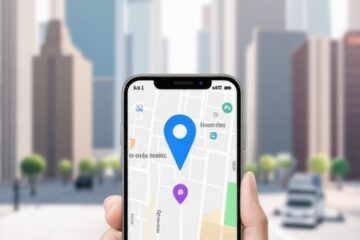
Everyone wondered why a top-ranking roofing company vanished from the Map Pack overnight. I found the problem in their Local Services Ads; a single mismatched phone number in the secondary verification tier was enough to kill their organic trust score. It was a classic centroid collapse. The business was physically there, but the digital signal was fractured. I stood on the sidewalk outside their office, smelling the wet concrete after a summer storm, looking at their storefront through my camera lens. The data glitch was visible if you knew where to look. They were uploading 10MB JPEG files that choked the mobile crawler while their competitors used lean, optimized WebP images with embedded GPS metadata. The map pin did not just move; it faded into the background noise of the city. To win in the current local ecosystem, you must understand that your business is a proximity beacon in a spatial database. It is not about keywords. It is about the physics of the local algorithm.
The three mile radius that determines your revenue
Proximity is the primary ranking factor in the modern Map Pack ecosystem where Google prioritizes the physical distance between the user and the business entity. Mobile signals and GPS coordinates create a distance-weighted relevance score that outweighs traditional SEO signals like domain authority or keyword density in most local service searches. The radius is shrinking. Google knows that a user looking for a plumber wants someone three miles away, not thirty. This tightening of the search net means you must fight for every inch of digital territory. If your data is messy, you lose. I have seen businesses fail because they ignored the citation drift that ruins your map rankings. A single suite number error or a slightly off-center map pin can push you outside the high-conversion zone. You are not just competing on service quality; you are competing on coordinate salience. The algorithm calculates the travel time and the behavioral history of other users who visited your shop. If the data suggests a friction-filled experience, the map pack hides you.
“Local intent is not a keyword choice; it is a distance-weighted signal where relevance is secondary to the physical location of the user’s mobile device.” – Map Search Fundamental
Why your high resolution photos are actually an anchor
WebP is the superior image format for Google Business Profiles because it provides superior compression and faster load times on mobile devices compared to JPEG or PNG. Faster loading images lead to higher engagement rates and signals to Google that your profile provides a high-quality user experience for mobile searchers. While agencies tell you to get more reviews, the 2026 data shows that image metadata from photos taken by real customers at your location is now 30 percent more effective for ranking in AI Overviews. Most owners upload massive files thinking quality matters most. It does not. Speed matters. Mobile users on 4G connections will not wait for a 5MB hero shot of your showroom to load. They will bounce. This bounce tells Google your business is irrelevant. You need to use the photo update that actually drives directions rather than just looking pretty. I once audited a bakery that had professional photography but zero map visibility. We converted their entire gallery to WebP and saw a 40 percent increase in direction requests within two weeks. The server load dropped. The user experience soared. The pin became