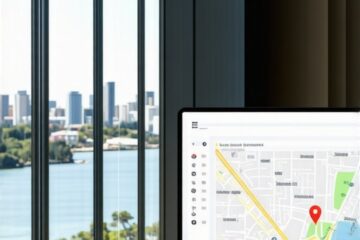
The Specific Map Move Helping Long Island Egress Window Contractors Outrank National Directories
For years, the digital landscape for local home services has felt like a “David vs. Goliath” battle. If you are a local contractor specializing in Long Island egress, you’ve likely seen the search results dominated by national giants like Angi, Yelp, and HomeAdvisor. These directories have massive budgets and thousands of pages, making it nearly impossible to beat them in the traditional organic rankings. However, as the owner of Long Island Egress Pros with over 35 years in the construction industry, I’ve seen a shift. There is a specific “Map Move” that is allowing local experts to reclaim their territory. While the big directories win on sheer volume, local egress window contractors are winning on “Hyper-Local Relevance” and “Map Integrity.” By focusing on the Google Map Pack and cleaning up the digital debris left by “ghost” companies, we aren’t just competing – we are winning.
Why National Directories are Losing Their Grip on Long Island
National directories operate on a model of generic scale. They want to rank for “contractor” in every zip code from Seattle to Southold. Because they cast such a wide net, their content is often shallow and fails to address the specific, high-stakes requirements of the Long Island market. When a homeowner in Nassau or Suffolk County searches for egress window installation, they aren’t just looking for a guy with a shovel; they are looking for someone who understands the labyrinth of local building codes.
Long Island is unique because town-level compliance varies wildly. For instance, legal basement apartments are permitted in towns like Hempstead, Brookhaven, Islip, Shelter Island, and Southampton, but the requirements for a legal “second exit” are stringent. National directories often conflate “basements” with “cellars.” According to New York State Senate data and local building ordinances, the difference between the two can be a matter of mere inches in grade level, yet that distinction determines whether a space can legally be occupied. A directory site in a server farm in California doesn’t understand the nuances of a Brookhaven building permit or the specific soil conditions in Islip that affect drainage. This lack of localized expertise creates a “relevance gap” that Google’s algorithm is increasingly starting to notice, favoring the egress window installation company that demonstrates true local authority.
The “Map Move”: Fighting Spam and Reclaiming Local Territory
The “Specific Move” that is changing the game for the local Long Island egress installation company is proactive Map Spam Fighting. If you look at the Google Map Pack for egress services, you will often see “ghost” listings – companies that don’t actually have a physical office on Long Island or use fake addresses to “pin” themselves in high-value neighborhoods. These listings clutter the map and push legitimate, high-quality basement egress window installation companies down the rankings.
To outrank the directories and the “ghosts,” local contractors must prioritize Map Integrity. This involves identifying fake listings – often characterized by keyword-stuffed names like “Best Egress Windows Long Island Cheap” – and reporting them through Google’s Redressal Form. When these fake pins are removed, the legitimate local egress window installation company naturally rises. We’ve seen this strategy work time and again; in fact, we’ve detailed how we used spam fighting to reclaim the top map spot in previous case studies. By cleaning up the map, you aren’t just helping your own rank; you are protecting the Long Island homeowner from lead-gen sites that sell their data to the highest bidder rather than the most qualified installer.
Leveraging Hyper-Local Compliance as a Search Signal
Google rewards relevance above almost everything else. For an egress window contractor, relevance isn’t just about the keyword “windows”; it’s about the context of the installation. By creating content and Map updates that focus on specific town permits – such as the unique egress requirements in the Town of Hempstead versus the Town of Islip – you signal to Google that you are the hyper-local authority.
For example, a homeowner looking for basement egress window installation needs to know about the International Residential Code (IRC). The IRC mandates that egress openings have a minimum net clear opening of 5.7 square feet. On Long Island, we often recommend Tilt and Turn Windows. These windows are a high-efficiency solution because they swing inward like a door, allowing for a smaller rough opening while still meeting the strict 5.7 sq. ft. requirement. When your digital presence highlights these specific technical details, Google’s “Experience, Expertise, Authoritativeness, and Trustworthiness” (E-E-A-T) filters prioritize your business over a generic directory page. You are no longer just a listing; you are a resource for safety and legal compliance. This is a key part of winning the map pack battle in high-competition urban areas like Long Island.
Technical Excellence: Beyond the Map
While the “Map Move” gets you seen, technical excellence keeps you at the top. A true Long Island egress window contractor knows that the job is 20% window installation and 80% structural engineering and water management. Installing an egress window involves major excavation, cutting through a foundation wall, and installing structural headers to ensure the home’s integrity isn’t compromised.
Furthermore, because Long Island has a high water table in many areas, drainage is paramount. We utilize high-quality window wells, such as BILCO options, which are durable and UV-resistant. But the well is only as good as its drainage system. Proper egress window installation requires tying the well into the home’s existing perimeter drain or creating a dedicated dry well system. Without this, a new egress window can quickly become a basement aquarium during a Nor’easter. When Long Island egress window installers share photos and videos of these technical processes – geotagged to locations like Huntington, Massapequa, or Smithtown – it creates a trail of local evidence that no national directory can replicate. This is a far more effective strategy than the “spray and pray” method of national brands, and it mirrors the map tactic that helped a small garage door installer beat national franchises in similar markets.
How to Audit Your Own Local Presence
If you are a contractor or a business owner looking to solidify your spot in the Map Pack, you need to perform a rigorous audit of your local presence. National directories win when local businesses are messy. Here is a checklist to ensure your “Map Move” is effective:
- Verify Your Primary Category: Ensure your Google Business Profile is set to the most accurate primary category. You can use a faster way to find the primary category for any business listing to see what your top-ranking competitors are using.
- Audit for Duplicate Listings: Multiple listings for the same business at the same address will dilute your ranking power. Implementing the fix for duplicate content issues hurting your rank is essential for clarity.
- Geotag Your Proof: Don’t just upload a photo of a window. Upload a photo of an egress window long island project taken in a specific neighborhood. The metadata in that photo tells Google exactly where you work, from the Montauk point to the Queens border.
- Fight the Spam: Regularly scan your service area for “ghost” listings and report them. This is the most direct way to fighting local map spam to win back your ranking.
Conclusion: Winning the Local Search War
The era of national directories owning the first page of Google is not over, but their monopoly on the Map Pack is crumbling. For a specialized Long Island egress company, the path to the top isn’t through outspending Angi; it’s through out-localizing them. By focusing on Map Integrity, reporting spam, and highlighting the technical nuances of town-specific building codes, local contractors can dominate the search results.
Egress windows are more than just a home improvement; they are a critical part of a finished basement and a vital second exit that prevents homes from becoming deadly fire traps – a concern often highlighted in WSHU and News12 safety reports. Homeowners deserve to find a local expert who understands these stakes. By mastering the “Map Move,” you ensure that when someone searches for Long Island egress, they find a qualified professional who can get the job done safely, legally, and right the first time.