Why Most Catholic Saint Biographies Fail to Provide Real Spiritual Insight
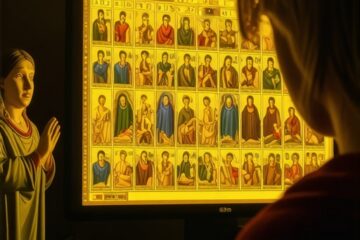
For many seekers, the journey into the lives of the catholic saints begins with a sense of high expectation. We pick up a thick volume or browse an online directory of catholic saints, hoping to find a roadmap for our own struggles, a spark for our prayer life, or a companion for our darkest nights. Yet, all too often, we are met with what spiritual writers call “Plaster Statue” syndrome. Instead of a living, breathing human being who wrestled with doubt, temper, or exhaustion, we are presented with a sanitized figure who seemingly floated through life in a state of perpetual ecstasy.
This traditional approach to catholic saint biographies often fails because it strips the subject of their humanity. When a saint is depicted as perfect from the crib – refusing their mother’s milk on fast days or never experiencing a moment of worldly temptation – they cease to be an inspiration and instead become a discouragement. If the gap between our messy reality and their perceived perfection is too wide, we stop trying to emulate them. A true directory of catholic saints should offer more than just a list of names and feast dates; it should offer an encounter with a soul that navigated the same broken world we inhabit today.
The Trap of Hagiography vs. The Need for History
The primary reason many catholic saint biographies feel hollow is the reliance on “hagiography” in its most pejorative sense. Historically, hagiographies were written not as objective histories, but as panegyrics – speeches of praise designed to edify the faithful. Over centuries, these accounts accumulated “legendary accretions,” which are embellishments or miraculous tales added to emphasize the saint’s holiness. While these stories often contain beautiful symbolic truths, they can distance the reader from the actual historical person.
Modern scholarship has increasingly turned toward the “historical-critical method” to peel back these layers. By distinguishing documented facts from later legends, we find a saint who is much more relatable. For instance, the visions of Blessed Anne Catherine Emmerich provide profound spiritual depth and have inspired millions, yet even the Church approaches her recorded private revelations with discernment, recognizing the influence of the writer who transcribed them. When we look at the historical reality, we see that holiness is not the absence of struggle, but the persistence of grace within that struggle.
Effective biographies must highlight challenges, difficulties, and even failures. Without the context of a saint’s “dark night” or their conflicts with Church authorities, their eventual triumph feels unearned. To truly benefit from the lives of the catholic saints, we must seek out authors who aren’t afraid to show the “grit” behind the halo.
Why “Perfect” Saints Are Spiritually Dangerous
There is a subtle spiritual danger in the “perfect” biography. If we believe that saints were born without the inclination to sin, we begin to view holiness as a biological trait rather than a supernatural gift. If a saint never felt the sting of anger, the pull of lust, or the weight of clinical depression, how can they possibly serve as a model for a modern Christian? When biographies omit the human element, they inadvertently suggest that God only works with “perfect” material.
In reality, the saints were often difficult people. They were sometimes stubborn, occasionally wrong, and frequently misunderstood by their peers. By embracing their humanity, we find a more profound path to growth. We realize that our own flaws do not disqualify us from sanctity. This is a common pitfall in digital resources as well; you can read more about Why Most Online Directories of Catholic Saints Fail to Help You Find a Meaningful Patron if you are looking for a more personal connection.
Spiritual depth is found not in a historical checklist, but in active reading – allowing the saint’s life to shape our personal prayer. We should read slowly, pausing to ask: “How did they handle this specific disappointment?” or “What did they do when God felt silent?”
The Role of Religious Orders: From the Dominican Order to the Augustinians
The diversity of the saints is best understood through the various “charisms” or spiritual personalities of the religious orders. Each order offers a different lens through which to view the Christian life, and understanding these can help you find a biography that resonates with your own soul.
For those who crave intellectual rigor and the defense of Truth, the Dominican Order (the Order of Preachers) offers giants like Thomas Aquinas. Their biographies often focus on the harmony between faith and reason. Conversely, the Augustinian Order, following the legacy of St. Augustine, speaks to the “restless heart.” Their lives remind us that even after a profound conversion, the journey toward God is a lifelong process of refining one’s desires.
If your spirituality is rooted in active service to the poor, you might look toward the Daughters of Charity, co-founded by St. Vincent de Paul and St. Louise de Marillac. Their lives demonstrate that holiness is found in the “smell of the sheep,” in the streets and hospitals rather than just the cloister. For younger readers or those working in education, looking for a patron saint of youth – such as St. John Bosco – reveals a spirituality of joy, play, and radical encouragement. Each of these orders provides a different “flavor” of sanctity, proving that there is no single template for becoming a saint.
Beyond the Page: Relics and Real Relationships
One of the most misunderstood aspects of Catholic tradition is the veneration of relics. To the secular world, it seems morbid; to the believer, it is deeply incarnational. The Church holds first class catholic relics – which are parts of the saint’s body – in high regard because they represent a tangible, physical connection to a real person. They are a protest against the idea that saints are merely myths or literary symbols.
When you stand before a relic, you are reminded that the person you read about in those catholic saint biographies actually walked the earth. They had DNA; they had bones that ached; they had hearts that beat with love and fear. This physical connection bridges the gap between the “then” of history and the “now” of our spiritual lives. It transforms the saint from a character in a book into a member of the family – a “cloud of witnesses” who is actively rooting for us.
Parishes that host these treasures often see a renewal in local devotion. For more on how communities are reconnecting with these physical links to the divine, see The Specific Map Move Helping Local Parishes Rank for First Class Catholic Relics.
Practical Guidance: How to Find a Saint Who Speaks to Your Soul
If you want to move beyond dry facts, you need a strategy for finding a patron who truly fits your life. Don’t just scan a roman catholic saints list and pick the name that sounds the most interesting. Instead, look for a “friend.”
- Identify Your Current Cross: Are you struggling with illness? Look specifically for catholic saints for healing, such as St. Peregrine or St. Jude. Their biographies will often focus on the virtue of hope amidst suffering.
- Look for Shared Temperaments: If you are prone to anxiety, St. Dymphna or St. Francis de Sales might be better companions than a saint who was naturally stoic.
- Use Specialized Tools: Instead of a generic search, use a dedicated patron saints directory to filter by profession, struggle, or interest.
When you find a patron saint, don’t just read about them once. Invite them into your daily life. Ask for their intercession as if you were asking a mentor for advice. For more detailed steps on this process, check out these guides on 5 Practical Steps to Find a Patron Saint for Your Specific Needs and How to Find a Patron Saint for Healing and Spiritual Support.
Conclusion: Turning Biography into Prayer
The ultimate failure of most saint biographies is that they end when the book is closed. A successful biography, however, acts as a bridge. It moves the reader from curiosity to admiration, and finally, to imitation and intercession. The goal of studying the lives of the catholic saints is not to become an expert in history, but to foster a relationship with the Living God through the example of those who followed Him best.
The saints are not dead heroes of the past; they are the living elite of the Church Triumphant. If a particular life has touched you, or if you find yourself in a season of desperate need, do not hesitate to reach out for spiritual support. You can submit online catholic prayer requests to communities dedicated to these holy men and women. We also invite you to visit chasingsaints.com to share your own stories of favors received, helping others see that the saints are just as active today as they were centuries ago. Stop reading about “plaster” and start discovering the flesh-and-blood reality of the saints.